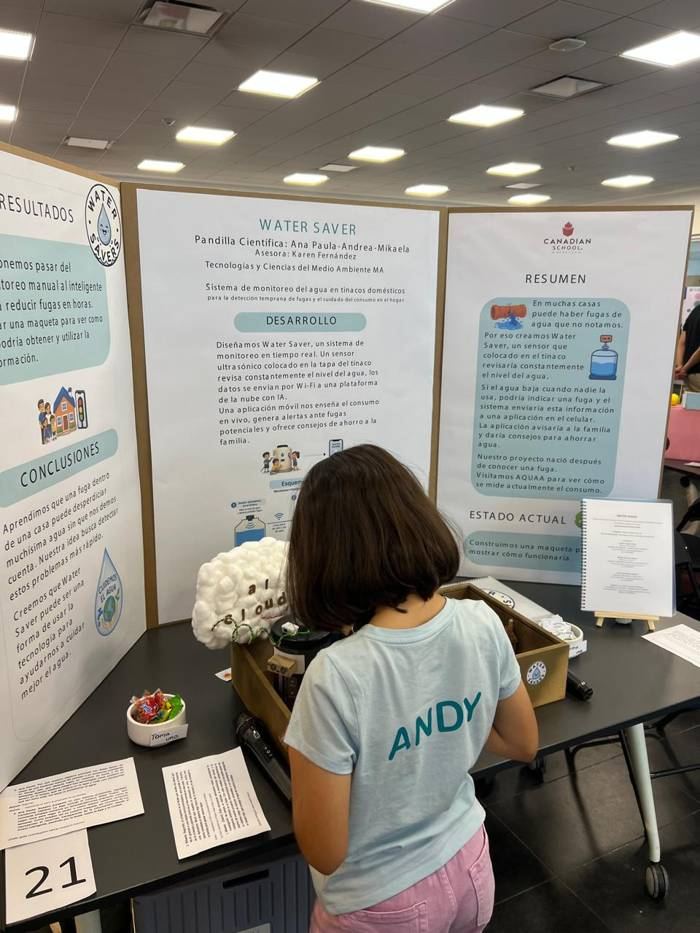
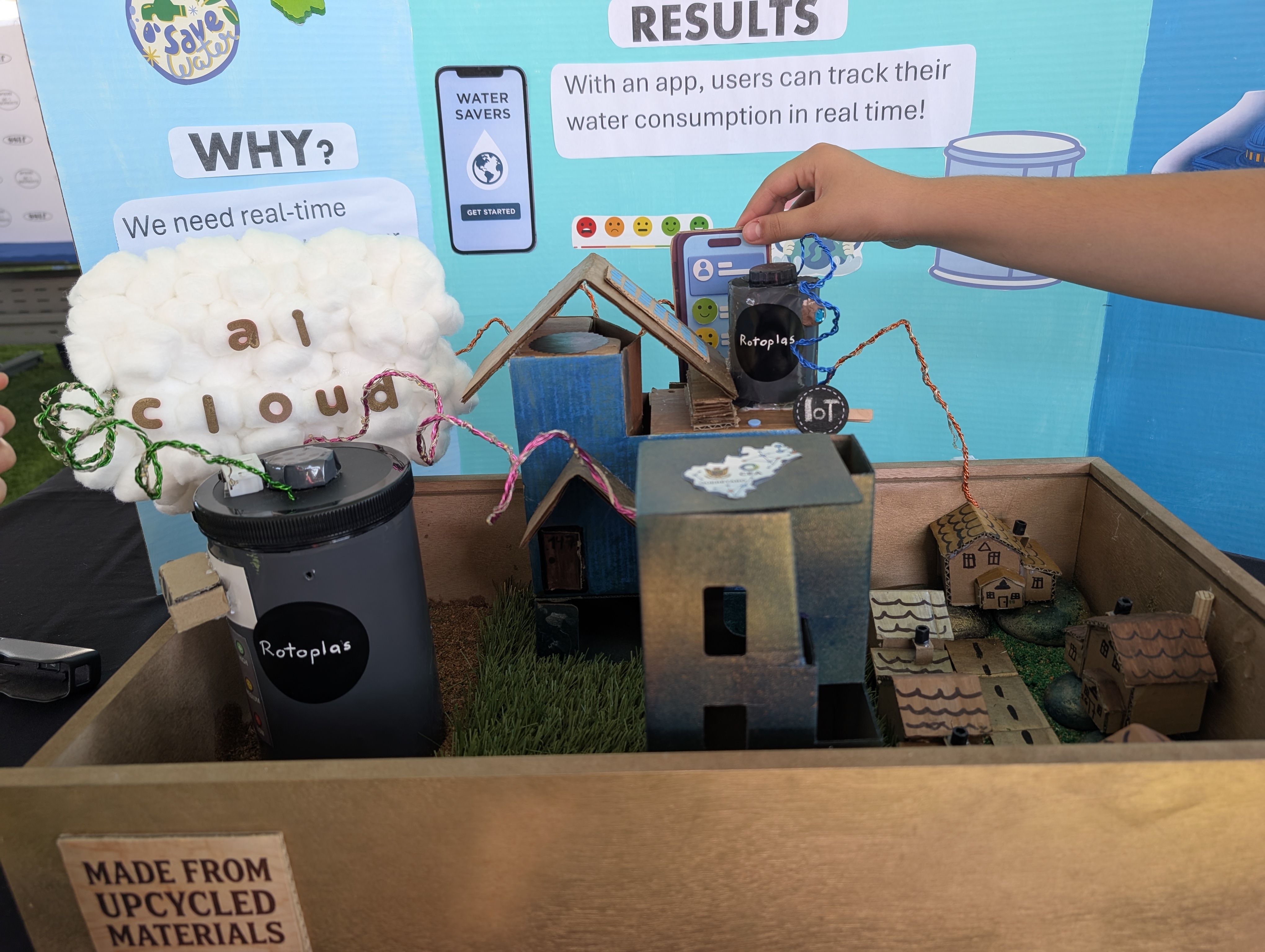
We’re Ana Pau, Mika and Andy. We’re 10, and we’re headed to ExpoCiencias Nacional, Mexico’s national science fair for young people. This is our story, in our own words.
Read our story How to help
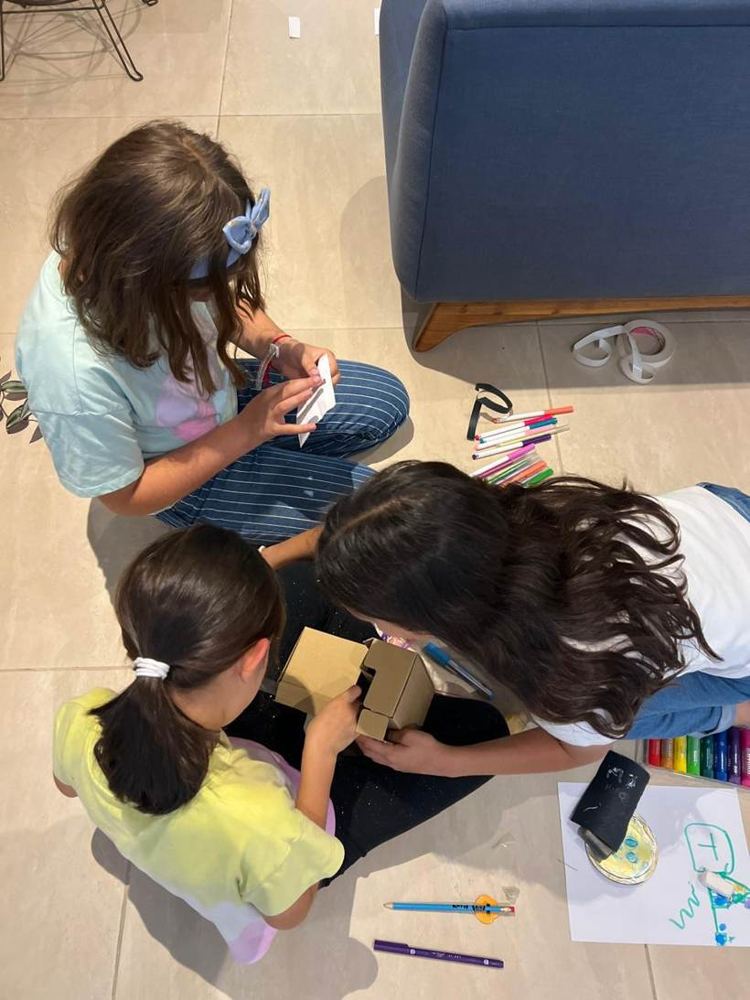
We’re three friends, all 10 years old. This didn’t start with a water tank. It started with a friendship.
Ana Pau and Andy have been best friends since third grade.
For our school science fair, they made a podcast together about taking care of nature.
🏅 Most Innovative Project · 2025 school fairMika and Andy were already teammates on the soccer field. For the 2026 fair, Mika joined in, and the three of them became the Water Savers.
Translated from Spanish.
Water is important to me because you can’t live without it. Taking care of it is essential, and it’s something we all need to do every day.
The hardest part of my project was building the model, because we couldn’t decide on a design and we had to add lots of details.
What I liked learning most from my project is that when you decide to do something, you can do it. When you set a goal, you can reach it.

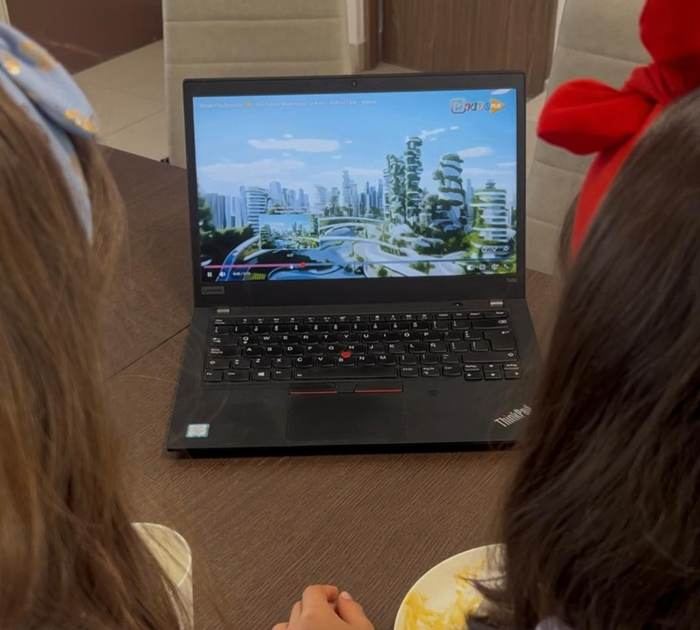
Before building anything, we looked into how cities use technology to save water, and whether someone had already solved our problem. We found sensors for pipes and sensors for water tanks, but none that warned both the family and the local water utility. That piece was missing.
Between December 2025 and January 2026, a hidden leak drained water from one of our homes. No puddle. No sound. We only found out when the water bill arrived.
That’s when we asked ourselves: how can a family lose so much water without noticing? We still have the bill.
That’s like pouring out 300,000 one-liter bottles.
Follow the drop: from a leak in a rooftop water tank to the people who look after the whole city’s water.

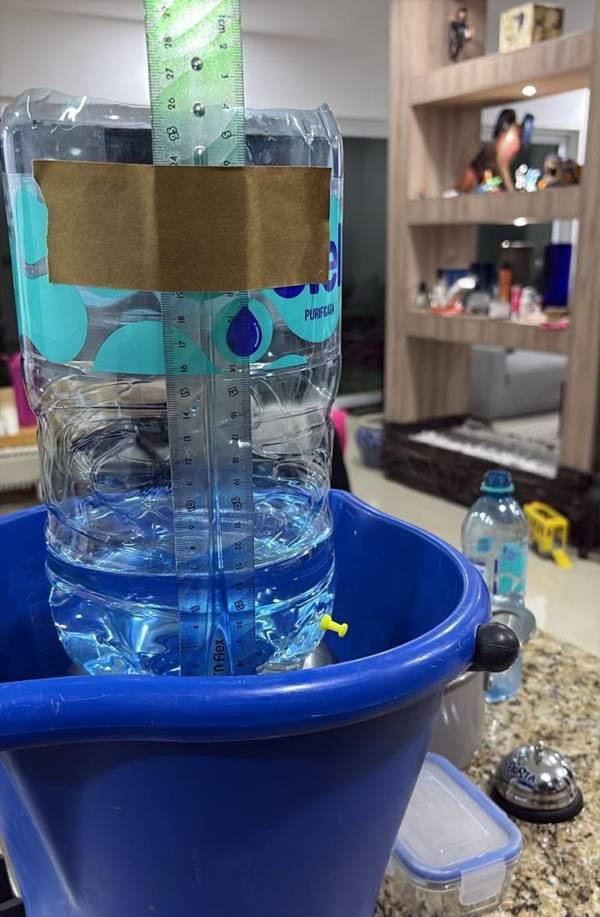
We didn’t have a lab. We had big water jugs, a ruler, a pushpin and a notebook. We poked a tiny hole in the jug and plugged it with the pushpin. Pull the pin, and the leak starts.
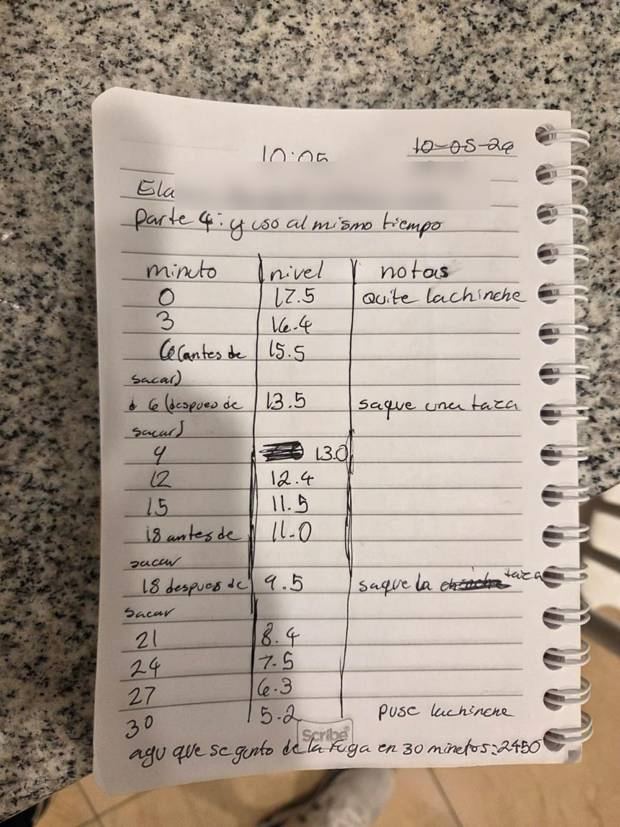
First, we measured how much the level rises with each cup of water. Then we checked the level every 3 minutes for 30 minutes in three tests: normal use, a leak, and a leak plus normal use.
When we take out a cup, the level drops at once, then stays still until the next cup.
With a leak, the level is lower every time we measure. It never stops.
With normal use, the level holds still between cups: stairs. With a leak, it never stops dropping: slide. In 30 minutes, the leak lowered the level 8.9 cm in home 1 and 5.8 cm in home 2. Both cups together: about 2.5 cm. The leak you can barely notice wasted more water.

We surveyed 159 households, 105 of them in Querétaro. It doesn’t speak for every family, but here’s what the ones in Querétaro told us:
From our school science fair to a national competition, in a single year.
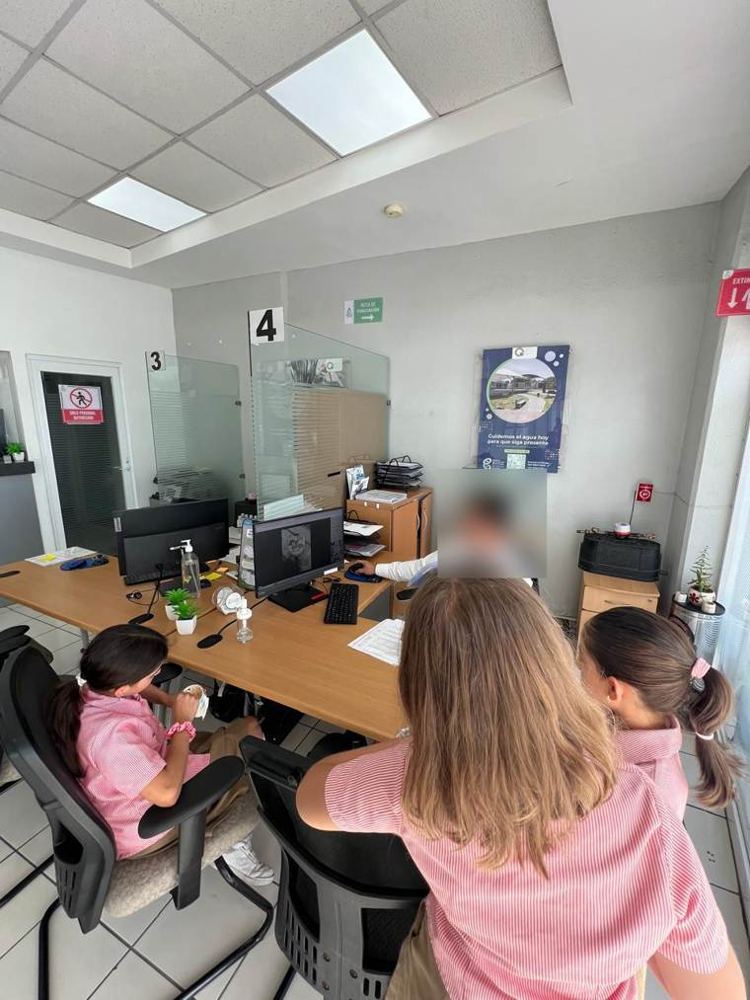
On April 13, 2026, we went to the offices of AQUAA La Pradera, our local water utility, to present our idea and ask how they measure water use. We learned that meters are read by hand, house by house, once a month. That’s thirty days when a leak can keep running without anyone knowing.

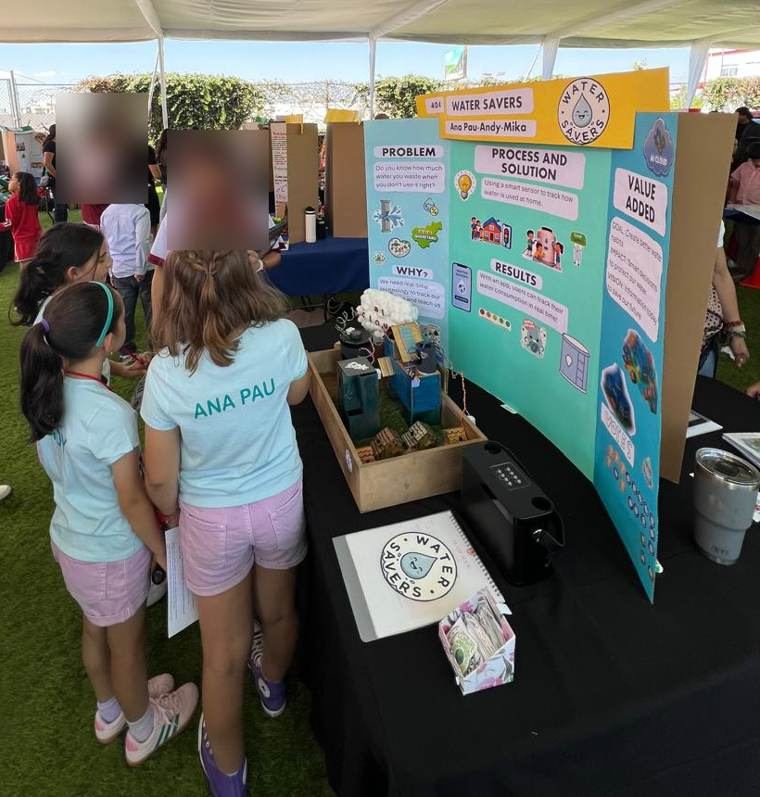
We won our school’s science fair. It was the first time we presented Water Saver to a panel of judges.

We competed against projects from across the state and earned our spot at the national fair.

November 11–14, 2026
CINTERMEX, Monterrey. We’ll present in Spanish or English, whichever the judges choose.

“…we had to add lots of details.” — Mika
First we tested the idea. Now it’s time to build it.
Our families are covering the trip, the fair registration and our stay in Monterrey. What we still need is our booth: the display board, the printing, and the materials to show our project.
Any amount helps. Write to us and we’ll tell you how.
Printing for the display board, materials for the booth, or technical advice to build our first real sensor.
If we raise more than we need, we’ll use it to build our first real sensor. After the national fair, we’ll post here how every peso was used.
These companies and people are already supporting us. Thank you!
We only list names with permission, and we never post amounts.